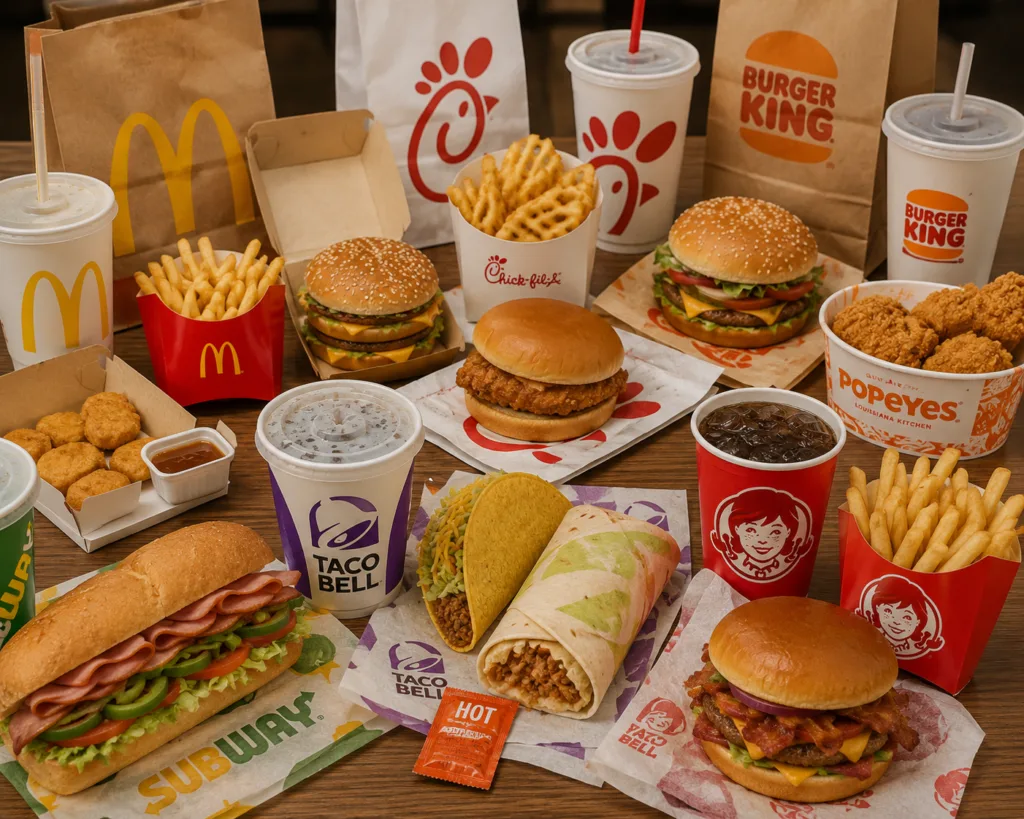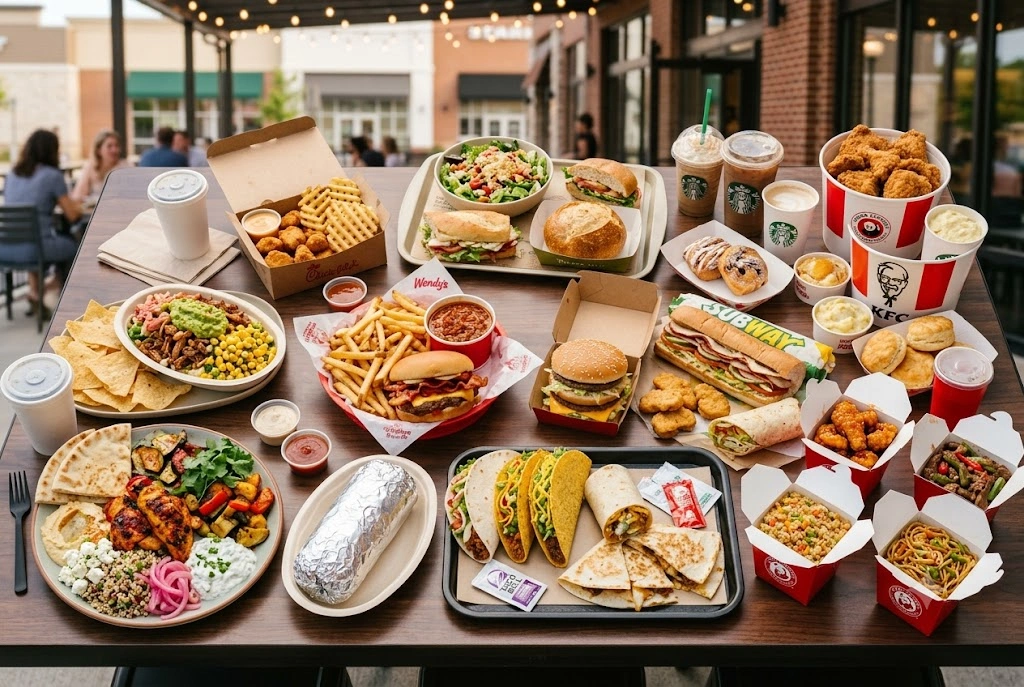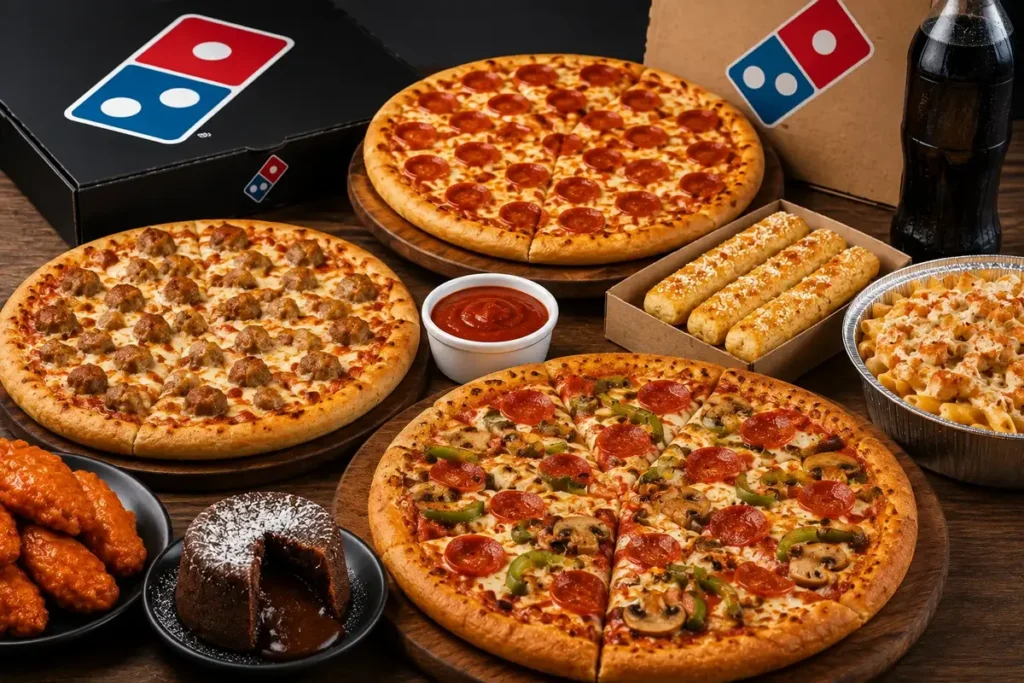
Fast food is convenient, quick, and often an easy solution when you don’t have time to cook. Whether you’re grabbing a burger and fries for lunch, ordering dinner for your family, or stopping at a restaurant during a road trip, fast food can save time.
However, frequent restaurant purchases can become expensive.
A meal that costs $10 or $15 may not seem like a major expense. But when restaurant purchases happen several times a week, the total can become hundreds of dollars every month.
The good news is that saving money on fast food doesn’t necessarily mean giving it up completely.
Instead, you can use a combination of restaurant deals, loyalty programs, credit-card rewards, coupons, delivery comparisons, meal planning, and smarter ordering to reduce the amount you spend.
Below are 25 practical strategies that can help you get more value from your restaurant budget in 2026.
1. Check the Restaurant Menu Before You Order
One of the easiest ways to spend less is to decide what you want before you start ordering.
When you’re hungry and looking at a restaurant menu, it’s easy to add extra fries, desserts, drinks, sauces, or larger portions.
Planning your order in advance can help prevent impulse purchases.
For example, if you already know that you want a burger, fries, and a drink, you can compare the available combinations before reaching the checkout screen.
This is particularly useful when ordering through a mobile app because restaurants frequently display additional items during the ordering process.
2. Compare Individual Items With Combo Meals
A combo meal isn’t automatically the cheapest option.
Sometimes a combo provides good value, while at other restaurants, buying individual items can cost less.
Suppose you want:
- One burger
- One small fries
- One drink
Check the price of the individual items and compare it with the available combo.
If the combo is cheaper, choose it.
If the individual items cost less, there’s no reason to pay extra simply because the combo looks convenient.
This small comparison can become significant when ordering for several people.
3. Look for Restaurant Coupons
Coupons remain one of the simplest ways to reduce the price of a restaurant meal.
Before placing an order, check the restaurant’s official website, mobile application, email offers, and loyalty program.
Some restaurants provide:
- Percentage discounts
- Free menu items
- Buy-one-get-one promotions
- Discounted combos
- Free delivery
- Limited-time offers
However, always check the conditions.
A coupon may require a minimum purchase or may only apply to certain menu items.
4. Join Restaurant Loyalty Programs
If you frequently visit the same restaurant, joining its loyalty program can make sense.
Many restaurant loyalty programs are free.
Depending on the restaurant, members may receive points or other benefits for eligible purchases.
Some programs also provide special promotions to members.
The important thing is to use loyalty programs for restaurants you already visit.
There’s little benefit in joining dozens of programs simply because they offer points.
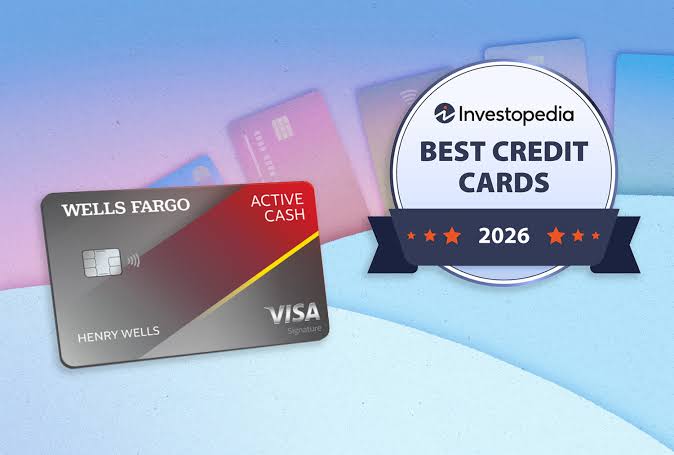
5. Use Credit Cards That Reward Dining
Credit cards can sometimes provide cashback or points on eligible restaurant purchases.
This can be particularly useful for people who already spend a significant amount on dining.
For example, if you spend $300 per month on eligible restaurant purchases, that’s $3,600 annually.
A 2% reward rate would equal approximately $72 in rewards over a year.
A 3% reward rate would equal approximately $108.
The difference isn’t enormous, but it can add up.
Remember that rewards should never encourage unnecessary spending, and carrying a credit-card balance can result in interest charges that exceed the value of the rewards.
6. Compare Pickup and Delivery Prices
Food delivery is convenient, but convenience can increase the final price.
A restaurant order can include:
- Food cost
- Delivery fee
- Service fee
- Small-order fee
- Taxes
- Tip
A meal advertised at $20 could therefore cost considerably more at checkout.
If the restaurant is nearby, compare the total cost of pickup against delivery.
Sometimes picking up the order yourself can save several dollars.
7. Compare Different Ordering Platforms
If you are ordering through a delivery service, compare the final price between available options.
Don’t compare only the menu price.
Instead, compare:
Food + fees + taxes + delivery + tip = final cost
A promotional discount on one platform may make it cheaper even if the menu price is slightly higher.
Always look at the complete checkout total.
8. Take Advantage of Free Delivery Promotions
Delivery promotions can sometimes significantly reduce the cost of an order.
However, make sure the promotion doesn’t encourage you to order more food than necessary.
For example, spending an additional $15 to qualify for a $5 discount doesn’t necessarily save money.
Calculate the final amount.
The best promotion is the one that reduces the amount you actually spend.
9. Consider Family Meals
If you’re ordering for multiple people, compare individual meals with family bundles.
Suppose four people each order a separate meal.
Now compare that total with a family meal or larger bundle.
Depending on the restaurant, the bundle may provide a lower cost per person.
However, don’t purchase a larger meal simply because it appears to offer a discount.
Food that isn’t eaten isn’t a saving.
10. Avoid Ordering More Food Than You Need
Portion sizes can vary considerably between restaurants.
If you’re ordering for one person, buying a large meal simply because it is part of a promotion can result in wasted food.
Think about what you actually need.
A smaller meal that you finish may provide better value than a larger meal where part of the food is thrown away.
11. Bring Your Own Drink When Practical
Drinks can be one of the easiest ways to increase the price of a meal.
If you’re eating at home, you may already have water or another beverage available.
Instead of automatically purchasing a drink with every meal, consider whether you actually need one.
For restaurant purchases, follow the restaurant’s rules and local regulations.
12. Reduce Unnecessary Add-Ons
Extra toppings, sauces, sides, desserts, and upgrades can quickly increase your bill.
A single add-on may cost only a dollar or two.
But if you add several items to every order, the annual total can become surprisingly large.
Before completing an order, review the items in your cart.
Ask yourself:
Did I intentionally choose this, or did the ordering system suggest it?
Removing unnecessary additions can reduce your total immediately.
13. Set a Weekly Fast-Food Budget
A simple budget can make restaurant spending easier to control.
For example, suppose you decide to spend no more than $75 per week on restaurant food.
You can then divide that amount between planned meals.
The exact amount should depend on your household income, expenses, and financial goals.
The important part is creating a limit before you start spending.
14. Track Your Restaurant Spending for 30 Days
You may be surprised by how much you actually spend on fast food.
Try tracking every restaurant purchase for one month.
Include:
- Fast food
- Takeout
- Delivery
- Coffee
- Snacks
- Restaurant meals
At the end of the month, add everything together.
Then identify your biggest spending patterns.
You may discover that the problem isn’t one expensive meal.
It may be the frequency of smaller purchases.
15. Reduce One Restaurant Visit Per Week
You don’t have to eliminate fast food entirely.
If you currently purchase restaurant food four times per week, try reducing it to three.
Suppose each visit costs $15.
One fewer visit per week could theoretically save approximately:
$15 × 52 = $780 per year
Your actual savings will depend on your spending.
But the example demonstrates how small behavioral changes can have a large annual effect.
16. Plan Restaurant Meals Around Your Schedule
Many people buy fast food because they didn’t plan ahead.
For example, you might leave work late, become hungry, and stop at the nearest restaurant.
Planning a few meals in advance can reduce these impulse purchases.
You could decide:
Monday: Home-cooked meal
Tuesday: Restaurant meal
Wednesday: Leftovers
Thursday: Restaurant meal
Friday: Home meal
The goal isn’t perfection.
It’s simply to make restaurant spending intentional.
17. Use Leftovers Wisely
If you have leftover restaurant food, store it properly and use it later when appropriate.
For example, leftover chicken, burgers, or sides may be reheated depending on the food and storage conditions.
An air fryer, oven, or other suitable appliance can sometimes improve the texture of reheated food.
Always follow food-safety practices when storing and reheating leftovers.
The money-saving benefit comes from eating food you already purchased instead of buying another meal.
18. Don’t Shop for Fast Food When You’re Extremely Hungry
Hunger can influence purchasing decisions.
When you’re extremely hungry, you may be more likely to choose larger meals, additional sides, desserts, and drinks.
If possible, decide what you’re going to order before you’re starving.
This simple habit can make your restaurant purchases more predictable.
19. Look for Limited-Time Deals
Restaurants frequently introduce limited-time offers.
These may include:
- Seasonal menu items
- Discounted combos
- Special bundles
- App-only promotions
- Loyalty-member offers
If you already plan to eat at the restaurant, checking for current offers before ordering can help you find a better price.
Don’t confuse a promotion with a necessity, though.
A discount isn’t a saving if it causes you to buy something you wouldn’t otherwise purchase.
20. Compare Price Per Person
When ordering for a group, calculate the cost per person.
For example:
$40 ÷ 4 people = $10 per person
Then compare that with another meal combination.
This makes it easier to identify which option provides the best value.
Price per person is particularly useful for families and groups.
21. Consider Cash-Back Apps and Offers
Some legitimate cashback services may provide promotional rewards for qualifying purchases.
Before using any service, check its current terms, eligibility requirements, payout rules, and fees.
Also consider whether the savings justify the effort.
A simple restaurant coupon that saves $5 may be more useful than a complicated cashback system that requires several steps to earn $1.
22. Don’t Let “Free” Promotions Increase Your Spending
The word “free” can be powerful.
For example:
Buy a meal and get a free side.
That sounds like a saving.
But if you only purchased the meal because of the promotion, you haven’t necessarily saved money.
The better question is:
Would I have purchased this meal without the promotion?
If the answer is yes, the promotion may provide genuine additional value.
23. Use a Dedicated Restaurant Budget
If restaurant spending is difficult to control, consider creating a separate category in your monthly budget.
For example:
Monthly restaurant budget: $300
Every restaurant purchase comes out of that amount.
This makes your spending easier to monitor.
When the budget is nearly finished, you can decide whether another restaurant purchase is genuinely necessary.
24. Compare Restaurant Prices Before Choosing Where to Eat
If you’re flexible about where to eat, compare prices.
Two restaurants may sell similar meals for significantly different prices.
Check:
- Meal price
- Portion size
- Available promotions
- Delivery cost
- Pickup options
- Loyalty benefits
The cheapest menu price isn’t always the cheapest overall meal.
25. Focus on Total Value, Not Just the Lowest Price
The cheapest meal isn’t necessarily the best value.
Imagine one meal costs $8 but leaves you hungry, while another costs $11 and provides enough food for a complete meal.
The second option may offer better value depending on your needs.
Instead of asking:
“What’s the cheapest thing on the menu?”
ask:
“Which option gives me the best value for the money I’m spending?”
How Credit Cards Fit Into Fast-Food Savings
Credit cards deserve special attention because they connect restaurant spending with personal finance.
A rewards card may provide cashback or points on eligible purchases.
However, credit cards should not be viewed as a discount card.
If you spend $100 and receive 3% back, you earn $3.
But if you carry a balance and pay substantial interest, that $3 reward doesn’t make the purchase cheaper.
A responsible strategy is to use rewards for purchases already included in your budget and manage the balance according to the card’s terms.
How to Combine Coupons, Rewards and Cashback
One of the most effective approaches is combining legitimate savings opportunities.
For example:
Restaurant promotion
Loyalty reward
Eligible credit-card reward
could potentially reduce the effective cost of a meal.
However, not every promotion can be combined.
Always check the terms before assuming multiple discounts will work together.
Example of a Smart Fast-Food Order
Suppose a family wants to order dinner.
Instead of immediately ordering four individual meals, they could:
- Check the restaurant’s current promotions.
- Compare family bundles.
- Compare pickup and delivery.
- Check the loyalty account.
- Review the menu.
- Remove unnecessary add-ons.
- Use an eligible rewards card.
- Check the final total before paying.
The important part is that none of these steps requires giving up fast food.
They simply make the purchasing process more deliberate.
How Much Could You Save in a Year?
Consider a hypothetical customer spending $100 per week on restaurant food.
Annual spending:
$100 × 52 = $5,200
Now imagine they reduce their spending by 10%.
Potential annual reduction:
$5,200 × 10% = $520
A 20% reduction would be:
$5,200 × 20% = $1,040
These are examples, not guaranteed savings.
Your actual results depend on your spending habits.
The point is that a relatively small percentage reduction can make a noticeable difference when applied to a large annual expense.
Fast Food Savings for Families
Families often have different challenges.
Children may want different meals, portions may be larger, and delivery can become expensive.
Families can consider:
- Comparing family bundles
- Sharing larger sides
- Checking kids’ meal options
- Using restaurant loyalty programs
- Planning restaurant nights
- Comparing pickup with delivery
- Setting a weekly restaurant budget
The biggest opportunity may be reducing food waste.
Buying more food than the family can eat isn’t necessarily a bargain.
Fast Food Savings for College Students
Students often prioritize convenience and price.
A few simple strategies can help:
- Look for student promotions where available.
- Compare combo prices.
- Use loyalty programs.
- Avoid unnecessary delivery fees.
- Set a weekly food budget.
- Track restaurant spending.
- Choose pickup when practical.
- Avoid using credit cards to spend beyond your budget.
A $10 purchase may seem small, but repeated purchases can become a major monthly expense.
Fast Food Savings While Traveling
Travelers often spend more on restaurants because they’re unfamiliar with local prices.
Before ordering, check the menu online when possible.
Compare nearby options and look for promotions.
If you’re traveling with family, calculate the total cost for the entire group rather than focusing on the individual meal price.
Also remember that airport, tourist-area, and highway restaurants can have different pricing structures.
Common Fast-Food Money Mistakes
Buying Because Something Is on Sale
A discounted product still costs money.
Ignoring Delivery Fees
A cheap meal can become expensive after fees.
Ordering Too Much
Unused food is wasted money.
Chasing Credit-Card Rewards
Rewards aren’t worth unnecessary debt.
Ignoring Loyalty Programs
If you repeatedly visit the same restaurant, you may be missing available benefits.
Never Checking the Final Total
Always review the checkout amount.
Frequently Asked Questions
What is the easiest way to save money on fast food?
Start by checking current restaurant deals, comparing combo and individual prices, avoiding unnecessary add-ons, and reducing delivery fees.
Is fast food cheaper than cooking?
It depends on the meal, ingredients, location, and household. Cooking at home can often provide greater control over food costs, but restaurant food provides convenience.
Can credit cards really save money on fast food?
Rewards can provide cashback or points on eligible purchases, but they don’t make unnecessary spending worthwhile. Paying interest can outweigh the rewards.
Should I use delivery apps or order directly?
Compare the final price. The cheaper option can vary depending on restaurant promotions, delivery fees, service fees and other charges.
Are restaurant loyalty programs worth joining?
They can be worthwhile if you regularly visit the restaurant and the program is free or provides meaningful benefits.
How can families reduce fast-food spending?
Compare family meals, plan restaurant visits, avoid unnecessary add-ons, use available promotions, and monitor total monthly restaurant spending.
How much should I budget for fast food?
There is no universal number. Your restaurant budget should fit your income, household expenses, savings goals, and other financial obligations.
Is buying a combo meal always cheaper?
No. Compare the combo price with the individual items before ordering.
How can I reduce food delivery costs?
Compare pickup with delivery, look for current promotions, check service fees, and compare the final checkout price across available ordering options.
Can I save money by ordering larger meals?
Only if you actually need and consume the additional food. A larger meal isn’t a saving if much of it is wasted.
Final Thoughts
Fast food can be convenient without becoming an uncontrolled expense.
The biggest savings don’t necessarily come from one huge discount. They often come from combining several small decisions.
Check the menu before ordering.
Compare individual items with combos.
Look for current coupons.
Use restaurant loyalty programs.
Compare pickup and delivery.
Avoid unnecessary add-ons.
Track your spending.
Set a realistic restaurant budget.
And if you use a rewards credit card, make sure you understand its terms and manage your balance responsibly.
For someone spending hundreds or thousands of dollars a year on restaurant food, even a modest reduction in unnecessary spending can produce meaningful savings.
The goal isn’t to eliminate every restaurant meal.
It’s to make every restaurant purchase intentional, affordable, and good value for your money.