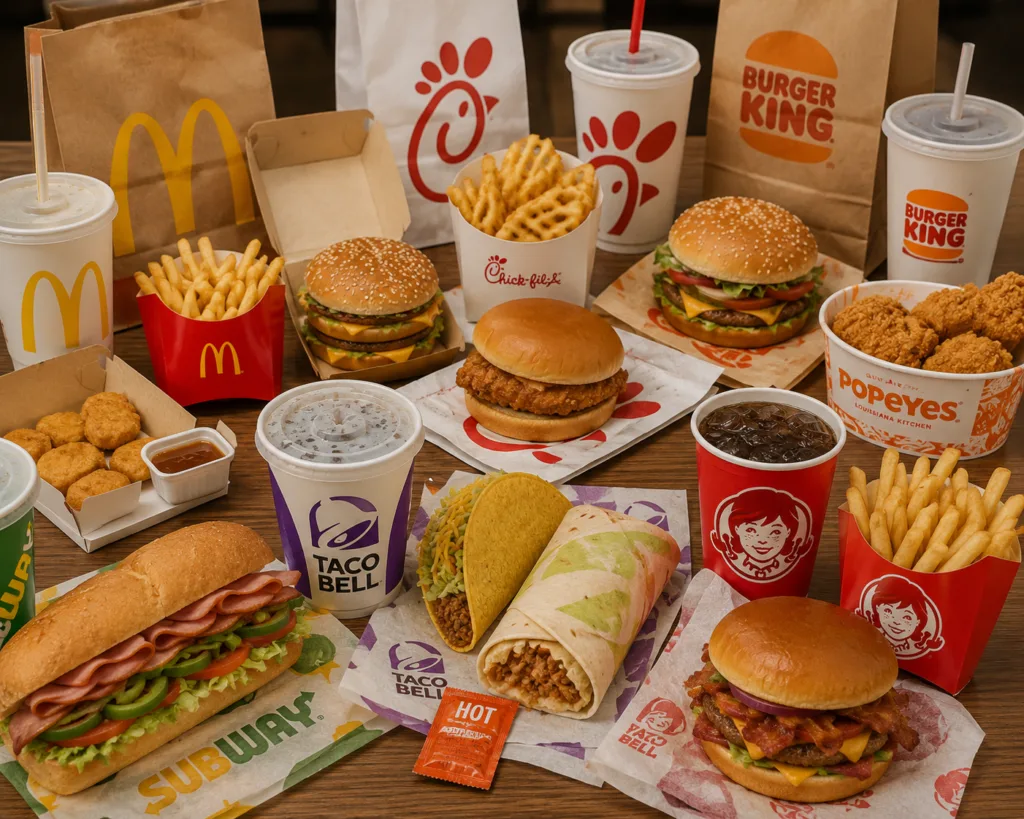
Fast food has become an important part of everyday spending for many American households. A quick burger, chicken sandwich, fries, breakfast meal, or family dinner may seem affordable when viewed as a single purchase. However, frequent restaurant visits can become a significant part of a monthly household budget.
Understanding how much fast food actually costs can help you make better purchasing decisions.
The price of a restaurant meal isn’t limited to the number shown beside an item on the menu. Depending on how you order, your final cost can also include taxes, delivery fees, service charges, tips, upgrades, drinks, desserts, and other additions.
For this reason, learning how to calculate the true cost of a fast-food meal is an important part of restaurant budgeting.
This guide explains the different costs associated with fast food, how much families and individuals may spend, how delivery changes the price, and practical ways to reduce restaurant expenses without giving up your favorite meals.
What Is the Average Cost of a Fast-Food Meal?
There isn’t one universal fast-food price in the United States.
Prices vary depending on:
- Restaurant
- City
- State
- Menu item
- Portion size
- Location
- Taxes
- Promotions
- Ordering method
A basic meal might cost considerably less than a premium burger meal or a large family order.
The most useful way to think about fast-food spending isn’t to ask, “How much does fast food cost?”
Instead, ask:
How much does my typical fast-food purchase cost from start to finish?
For example, a restaurant meal might consist of:
- Main item
- Side
- Drink
- Tax
- Optional fees
The total is what matters for your budget.
Why Fast Food Can Become Expensive
Fast food is often purchased frequently.
One $12 meal may not seem expensive.
But consider someone who purchases a $12 restaurant meal five times each week.
That’s:
$12 × 5 = $60 per week
Over approximately 52 weeks:
$60 × 52 = $3,120 per year
This is only an example, and actual spending varies considerably.
But it demonstrates why frequency matters.
Even relatively inexpensive meals can become a significant annual expense when purchased repeatedly.
How to Calculate Your Fast-Food Spending
The easiest method is to track restaurant purchases for 30 days.
Record every purchase, including:
- Breakfast
- Lunch
- Dinner
- Snacks
- Coffee
- Delivery
- Takeout
- Drive-through purchases
At the end of the month, add the totals.
Then divide by the number of weeks.
For example:
Monthly restaurant spending: $400
Approximate weekly spending:
$400 ÷ 4.33 = about $92 per week
You can then decide whether that amount fits comfortably into your overall budget.
Fast Food Spending for One Person
Individual spending can vary dramatically.
Someone who rarely eats out might spend $40–$60 per month.
Another person who purchases lunch and dinner from restaurants several times per week could spend several hundred dollars.
Consider a hypothetical example:
$15 per meal × 4 meals per week = $60
Approximately:
$60 × 52 = $3,120 per year
That doesn’t include occasional larger orders.
Reducing the number of weekly restaurant purchases can therefore have a substantial impact on annual spending.
Fast Food Spending for Families
Families have a different calculation.
If four people each purchase a $12 meal:
$12 × 4 = $48
Add drinks, sides, taxes, or other items, and the total can become considerably higher.
A family that orders restaurant food twice a week could therefore spend a significant amount each month.
This is why family bundles and meal combinations can be worth comparing.
However, the cheapest option isn’t always the largest option.
If a family purchases more food than it can eat, the apparent discount may not result in real savings.
Menu Price vs. Final Price
One of the biggest mistakes people make is looking only at the advertised menu price.
Suppose a meal is advertised at:
$10
Your final cost could become:
Meal: $10
Drink: $2
Extra side: $3
Tax: $1.20
Total: $16.20
The original $10 price doesn’t represent the amount actually leaving your bank account.
This is why reviewing the final order before payment is important.
Delivery Can Increase Restaurant Spending
Food delivery provides convenience, but convenience often comes with additional charges.
A delivery order may include:
- Menu price
- Delivery fee
- Service fee
- Small-order fee
- Taxes
- Tip
Consider a hypothetical $25 order.
You might end up paying:
Food: $25
Delivery: $3
Service fee: $3
Tip: $4
Total: $35
That’s a $10 difference between the food price and the final amount.
The exact charges vary by restaurant and delivery platform.
Pickup Can Be a Money-Saving Alternative
If you live close to the restaurant, pickup may reduce some additional charges.
You can still order online, customize your meal, and select pickup instead of delivery.
This can provide much of the convenience of online ordering without some delivery-related expenses.
Of course, pickup isn’t always practical.
If you’re working, traveling, sick, or unable to drive, delivery may be worth the additional cost.
The key is understanding what you’re paying for.
Compare Restaurant Ordering Options
When ordering food, consider three possibilities:
Option 1: Eat at the Restaurant
You may avoid delivery charges but could have transportation costs or other expenses.
Option 2: Pickup
You can order ahead and collect the food.
Option 3: Delivery
You pay for additional convenience.
The best option depends on your circumstances.
Rather than automatically choosing delivery, compare the total cost.
How Restaurant Coupons Reduce Your Cost
Coupons can reduce the price of eligible meals.
Examples may include:
- $5 off
- Percentage discounts
- Buy-one-get-one offers
- Free sides
- Discounted combos
- Free delivery
Before ordering, check the restaurant’s official website or app for current offers.
However, don’t purchase unnecessary food simply to use a coupon.
A $5 discount isn’t a genuine saving if you spend $25 more than planned.
Restaurant Loyalty Programs
Loyalty programs can be another way to receive additional value from regular restaurant purchases.
Depending on the restaurant, a loyalty program may provide:
- Points
- Rewards
- Exclusive offers
- Birthday promotions
- App-only deals
- Free menu items after qualifying purchases
If the program is free and you already visit the restaurant regularly, joining can be worth considering.
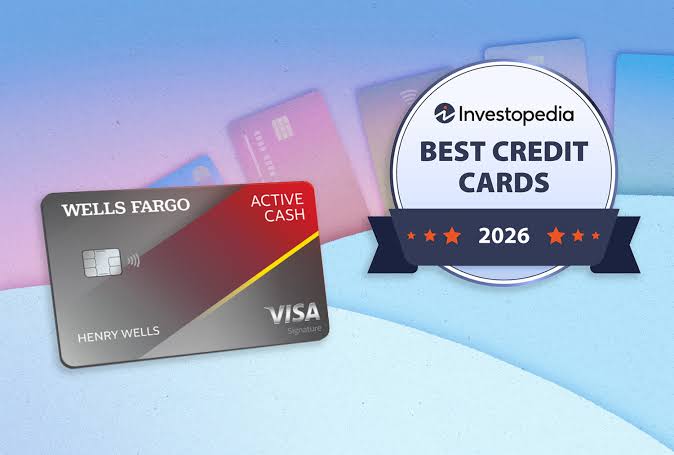
Credit Cards and Fast-Food Spending
Credit cards can also play a role in restaurant budgeting.
Some rewards cards offer cashback or points for eligible restaurant purchases.
For example, suppose you spend $300 per month on eligible dining.
Annual spending:
$300 × 12 = $3,600
At a hypothetical 3% reward rate:
$3,600 × 0.03 = $108
That doesn’t mean you should spend more on fast food.
The best use of rewards is earning them on purchases already included in your budget.
Also remember that interest charges can outweigh rewards if you carry a balance.
Don’t Chase Rewards by Spending More
One common credit-card mistake is increasing spending to earn rewards.
Suppose you planned to spend $50.
A promotion encourages you to spend $100 to earn additional points.
You’ve still spent an additional $50.
The reward might be worth only a fraction of that amount.
Instead, use rewards cards for your normal purchases and focus on paying according to the card’s terms.
How to Create a Fast-Food Budget
A restaurant budget doesn’t have to be complicated.
Start with your monthly income and essential expenses.
Then consider how much money remains for discretionary spending.
You can create a restaurant category such as:
Monthly restaurant budget: $250
Every fast-food purchase comes out of that amount.
If you spend $75 during the first week, you know you have approximately $175 remaining.
This simple approach makes restaurant spending easier to control.
Weekly vs. Monthly Restaurant Budgets
Some people find weekly budgets easier.
For example:
$60 per week
Others prefer monthly budgets.
For example:
$250 per month
Choose whichever system is easier for you to maintain.
The goal isn’t to create a complicated financial system.
The goal is to know how much you’re spending.
How to Reduce Fast-Food Spending Without Giving It Up
You don’t necessarily have to stop eating fast food.
Instead, try reducing unnecessary purchases.
For example:
Instead of:
Five restaurant meals per week
Try:
Three planned restaurant meals
This small change can reduce annual spending significantly.
Plan Your Restaurant Days
Planning can help prevent impulse purchases.
You could decide that Tuesday and Friday are restaurant days.
On other days, you can use groceries, leftovers, or meals prepared at home.
This creates a predictable pattern.
It also makes it easier to budget.
Avoid Impulse Ordering
Food delivery apps make ordering extremely easy.
You may open an app because you’re bored and end up spending $25.
Before placing an order, ask:
Was this purchase planned?
If not, wait 10–15 minutes and reconsider.
Sometimes the desire to order disappears.
Compare the Price Per Person
When ordering for multiple people, calculate the price per person.
Suppose the total is $60 for four people.
$60 ÷ 4 = $15 per person
Now compare another option costing $48 for four people:
$48 ÷ 4 = $12 per person
The second option saves $3 per person, or $12 for the entire group.
This method makes family meal comparisons easier.
Consider Portion Size
Price alone doesn’t tell the entire story.
Two meals may cost:
Meal A: $10
Meal B: $12
If Meal B provides substantially more food and you actually need it, the higher-priced meal could provide better value.
But don’t use portion size as an excuse to purchase more than you can eat.
Food waste is still wasted money.
Don’t Forget Drinks
Drinks can significantly affect a restaurant bill.
A meal might appear inexpensive until you add:
- Soda
- Coffee
- Bottled water
- Milkshake
- Specialty beverage
If you’re eating at home, consider whether you already have a drink available.
Watch the Extras
The same principle applies to:
- Extra cheese
- Bacon
- Sauces
- Larger fries
- Desserts
- Additional toppings
Each upgrade may appear inexpensive.
Several upgrades together can substantially increase the final bill.
How Families Can Save on Fast Food
Families can try several strategies.
Compare Family Meals
Check whether a family bundle costs less than individual meals.
Share Large Sides
If portions are large enough, sharing may reduce the number of sides purchased.
Use Kids’ Meals When Appropriate
Children may not need the same portion size as adults.
Check Promotions
Look for family-oriented offers.
Reduce Delivery
Pickup may be cheaper when practical.
How Students Can Save Money
Students often have limited budgets.
A simple restaurant strategy could include:
- Set a weekly limit.
- Use restaurant rewards.
- Check promotions.
- Avoid unnecessary delivery fees.
- Compare meal prices.
- Track spending.
- Don’t use credit to spend beyond your budget.
A few dollars saved repeatedly can make a meaningful difference over a semester.
Fast Food and Inflation
Food prices can change over time.
Restaurants may adjust menu prices because of changes in:
- Ingredients
- Labor
- Transportation
- Rent
- Energy
- Operating costs
This means an old menu price may not represent today’s price.
When comparing restaurant costs, use current menus whenever possible.
Why Menu Prices Differ by Location
Restaurant prices can vary by market.
A restaurant in one city may have different prices from the same chain in another location.
Factors can include:
- Local operating costs
- Labor costs
- Rent
- Taxes
- Market conditions
Therefore, online menu information should be treated as location-specific when prices are displayed.
How to Find the Best Value on a Menu
When looking at a menu, consider:
Price + portion + quality + satisfaction
The cheapest item isn’t necessarily the best value.
Similarly, the largest meal isn’t automatically the best value.
Choose the option that fits your appetite and budget.
Restaurant Spending and Your Financial Goals
Restaurant spending competes with other financial goals.
Money spent on fast food cannot simultaneously be used for:
- Emergency savings
- Debt repayment
- Investments
- Travel
- Education
- Major purchases
This doesn’t mean restaurant food is bad.
It means restaurant spending should fit into your overall financial plan.
A Simple 30-Day Restaurant Challenge
If you want to understand your restaurant spending, try this experiment.
For 30 days:
- Record every restaurant purchase.
- Record the total price.
- Record whether it was pickup or delivery.
- Record any coupon or promotion.
- Record whether you used rewards.
- Calculate the monthly total.
At the end of the month, review the numbers.
You may find that certain habits are responsible for most of your spending.
Example Monthly Fast-Food Budget
Here’s a hypothetical budget:
Monthly restaurant budget: $300
Week 1:
$65
Remaining:
$235
Week 2:
$80
Remaining:
$155
Week 3:
$55
Remaining:
$100
Week 4:
$90
Remaining:
$10
This gives you a simple picture of your spending.
If you regularly exceed your budget, consider reducing restaurant frequency or setting a more realistic budget.
Best Ways to Reduce Your Restaurant Bill
If you want the biggest impact, start with these strategies:
1. Reduce Frequency
Fewer purchases generally produce larger savings than tiny menu optimizations.
2. Reduce Delivery Fees
Use pickup when practical.
3. Use Promotions
Check current restaurant deals.
4. Reduce Add-Ons
Don’t purchase items you don’t need.
5. Use Loyalty Programs
Take advantage of legitimate rewards.
6. Compare Meal Options
Look at individual items and combinations.
7. Track Spending
You can’t manage what you don’t measure.
Frequently Asked Questions
How much should I spend on fast food each month?
There is no universal amount. Your restaurant budget should fit your income, essential expenses, savings goals, debt obligations, and personal priorities.
Is fast food expensive?
It depends on what you order and how frequently you eat it. Individual meals may be affordable, but frequent purchases can become a significant annual expense.
How can I reduce my fast-food bill?
Use restaurant promotions, compare combo prices, reduce unnecessary add-ons, compare pickup and delivery, use loyalty programs, and set a restaurant budget.
Is delivery more expensive than pickup?
It can be because delivery orders may include additional fees. Compare the complete final price before deciding.
Are restaurant credit cards worth it?
They can be useful for consumers who already spend money on eligible dining purchases. However, rewards shouldn’t encourage unnecessary spending or debt.
Can coupons and credit-card rewards be combined?
Sometimes. It depends on the restaurant, promotion, card, and applicable terms.
How can families save money on fast food?
Compare family bundles with individual meals, check promotions, limit unnecessary add-ons, and consider pickup instead of delivery when practical.
Should I stop eating fast food to save money?
Not necessarily. Reducing frequency and making more deliberate purchases can help lower spending without eliminating restaurant meals entirely.
How do I know whether a restaurant meal is a good value?
Consider the complete price, portion size, quality, and whether the meal fits your budget.
Final Thoughts
Fast food can be convenient, but the cost becomes much easier to manage when you understand your actual spending.
Instead of looking only at the price of a burger, sandwich, fries, or combo, consider the complete cost of the purchase.
Delivery fees, service charges, drinks, upgrades, desserts and additional sides can all increase your final bill.
The most effective strategy is usually a combination of budgeting, planning and comparison.
Set a realistic restaurant budget.
Track your purchases.
Check current deals.
Use loyalty programs.
Compare pickup and delivery.
Review your order before paying.
And if you use a rewards credit card, make sure you are earning rewards on purchases you already planned to make rather than spending more simply to collect points.
For regular Checkers customers, checking the current Checkers menu, prices, deals, coupons, meals, and nutrition information before ordering can make it easier to compare choices and stay within your food budget.
The objective isn’t to make every fast-food purchase as cheap as possible.