The Knowledge of Beef at McDonald’s
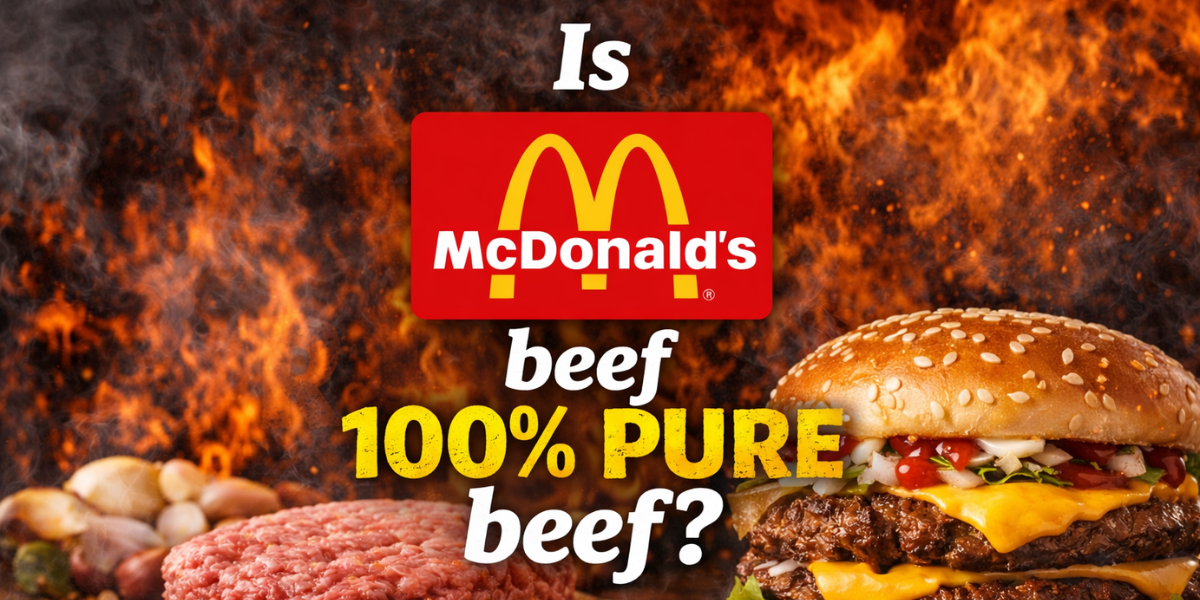
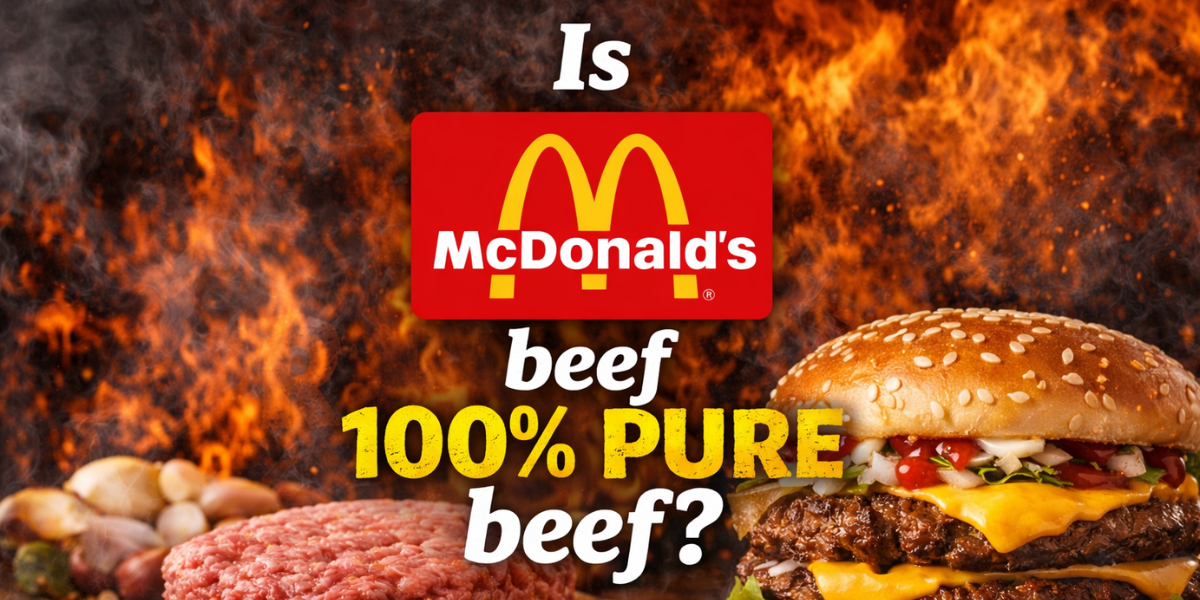
McDonald’s is one of the largest fast-food chains in the world, famous for iconic burgers such as the Big Mac, Quarter Pounder with Cheese, and Cheeseburger. Over the decades, customers have often questioned the quality and authenticity of the beef used in these popular menu items. Among the most frequently asked questions is: Is McDonald’s beef 100% pure beef?
This question has gained importance as consumers become increasingly concerned about what goes into their food, including ingredients, additives, and overall meal quality. McDonald’s has addressed these concerns multiple times, providing transparency about the sourcing, processing, and cooking methods of its beef.
What Does “100% Beef” Mean?
Understanding what 100% beef signifies is essential before evaluating the authenticity of McDonald’s beef patties. In the fast-food context, the following definitions apply:
-
100% Beef – This term implies that the patty is made entirely from cattle meat, without fillers, extenders, soy protein, or plant-based additives.
-
Ground Beef – Minced beef derived from different cuts of the cow. It may include lean and fatty portions but, when labeled 100% beef, it is purely cattle meat.
-
No Fake Meat – To qualify as 100% beef, the patty cannot contain vegetarian substitutes, textured vegetable protein, or lab-grown meat.
In essence, 100% beef guarantees that the patty contains only beef, providing customers with assurance about its authenticity.
McDonald’s Official Position on Beef
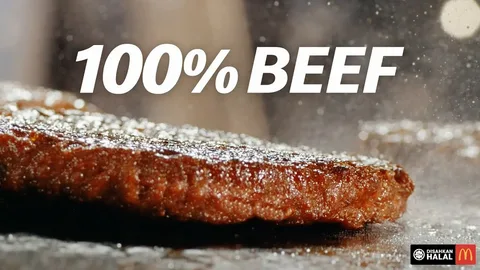
McDonald’s has publicly confirmed that its hamburger patties are made entirely from 100% beef. The company emphasizes that no fillers, additives, or preservatives are included in its standard burger patties. Any seasoning is added after cooking, ensuring the patty remains pure beef.
This applies to McDonald’s most popular menu items, including:
-
Big Mac
-
Quarter Pounder with Cheese
-
Cheeseburger
-
Hamburger
Each patty in these burgers is derived entirely from beef and advertised as 100% beef, aligning with fast-food industry standards.
Sourcing of McDonald’s Beef
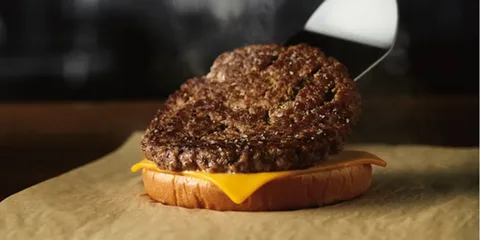
McDonald’s sources its beef from multiple locations, including the United States, Canada, Australia, and New Zealand. All suppliers adhere to strict food safety and quality practices, ensuring that the meat meets government regulations.
Key aspects of McDonald’s beef sourcing include:
-
Controlled Suppliers – Each supplier is monitored to ensure that meat meets government safety standards.
-
Quality Criteria – Beef is inspected and processed into uniform patties in certified facilities.
-
Uniformity Across Locations – Working with multiple suppliers helps McDonald’s maintain consistency across thousands of outlets worldwide.
Thanks to this sourcing system, a McDonald’s burger in New York has the same 100% beef patty as one in California, ensuring uniformity in quality and taste.
Are Additives or Fillers Added to McDonald’s Beef?
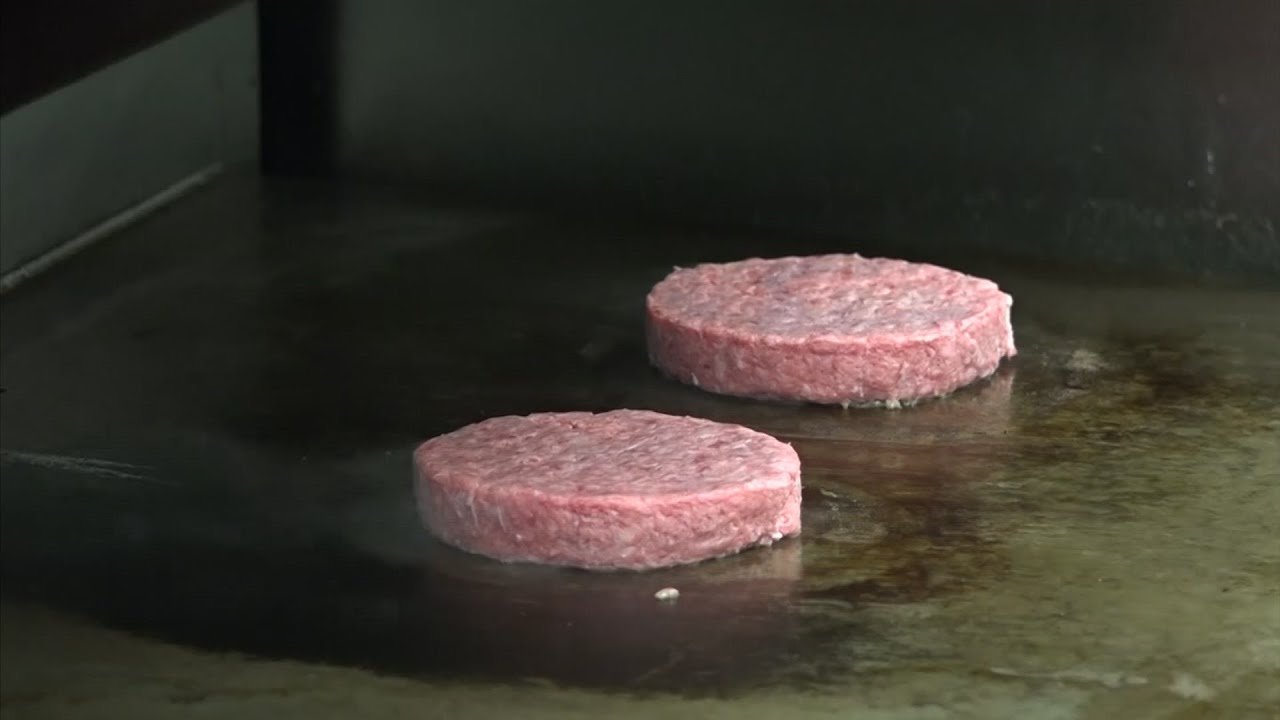
Many consumers worry that fast-food beef patties contain fillers or preservatives. McDonald’s has consistently clarified that its beef patties are free from:
-
Soy Protein – Unlike some competitors, McDonald’s does not use soy or textured vegetable protein to extend its meat.
-
Binders and Extenders – Patties are ground and shaped without adding non-meat components.
-
Preservatives – Beef is cooked, frozen, and stored without chemical preservatives.
Thus, when you enjoy a McDonald’s burger, the patty is nothing more than pure beef.
Cooking Method of McDonald’s Beef Patties
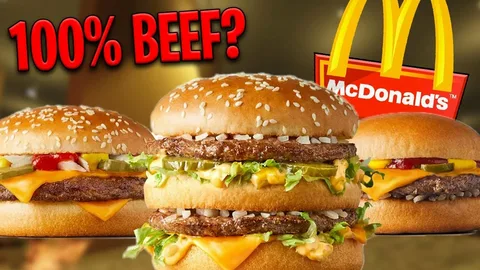
McDonald’s follows standardized procedures to ensure both safety and quality in beef preparation:
-
Grinding – Different beef cuts are ground into uniform patties.
-
Shaping – Patties are shaped to meet specific size and weight requirements for each menu item.
-
Freezing – Most patties are frozen for transport to restaurants while maintaining quality.
-
Cooking – Patties are grilled or cooked on demand to meet the correct temperature and food safety standards.
These steps ensure that the beef patty remains 100% beef while providing consistent taste and texture across all locations.
Understanding 100% Beef vs. High-Quality Beef
It’s important to note that 100% beef does not mean the same as premium steak or grass-fed beef. Fast-food beef has specific characteristics:
-
Multiple Cuts Ground Together – Patties include both lean and fatty portions.
-
Standardized Taste and Texture – Uniformity ensures consistent cooking and flavor.
-
Mass-Produced – Focus is on high-volume and low-cost production, unlike specialty or high-end beef.
Therefore, while McDonald’s beef is authentic and free of fillers, it is not marketed as premium-quality beef. Instead, the focus is on safety, flavor, and consistency.
Comparison with Competitors
Most fast-food chains, including Burger King, Wendy’s, and Shake Shack, also claim to use 100% beef in their patties. Differences between chains often include:
-
Fat Content – Some chains use leaner or fattier beef.
-
Type of Cut – Cuts may vary by chain and region.
-
Cooking Methods – Grilling, searing, or seasoning practices differ.
-
Patty Size and Thickness – Variations affect texture and taste.
Overall, McDonald’s beef patties are comparable to the majority of mainstream fast-food offerings, providing a familiar and reliable flavor profile.
Customer Perception and Transparency
McDonald’s has launched campaigns like “Our Food. Your Questions.” to educate customers about ingredient sourcing and transparency. These initiatives are intended to reassure consumers that McDonald’s beef patties are genuinely made from pure beef without fillers or artificial additives.
Despite this openness, some skepticism remains due to common myths about fast-food meat. McDonald’s continues to emphasize that its beef composition is 100% authentic.
Nutritional Considerations of McDonald’s Beef
Because McDonald’s patties are pure beef, their nutritional value is straightforward:
-
Calories – Dependent on burger size, toppings, and extras.
-
Protein – High, as each patty consists entirely of beef.
-
Fat Content – Varies based on cut and grinding process.
Nutrition guides provided by McDonald’s allow customers to calculate exact values, making it easier to plan meals while enjoying a classic fast-food burger.
Conclusion
McDonald’s has consistently emphasized the authenticity of its beef. Hamburger patties are made from 100% beef, free of fillers, preservatives, or artificial additives. While the meat is mass-produced and standardized for fast-food service, it meets industry expectations for quality and safety, giving customers confidence in the meals they enjoy.
Whether it’s a Big Mac, Quarter Pounder, or Cheeseburger, the patty is real beef, supporting McDonald’s reputation as one of the world’s leading fast-food burger chains.