Is MrBeast Burger Owned by MrBeast? (2026 Complete Guide)
When people search “Is MrBeast Burger owned by MrBeast?” they expect a simple yes or no. But like many modern influencer businesses, the truth is more complex.
MrBeast—whose real name is Jimmy Donaldson—launched MrBeast Burger in 2020, and it quickly became one of the most talked-about virtual restaurant brands in the United States. Millions of fans ordered burgers, fries, and sandwiches promoted by one of the largest YouTubers in the world.
However, ownership and operational control are two very different things. Let’s break down exactly who owns MrBeast Burger, how the business was structured, and where things stand today.
The Launch of MrBeast Burger
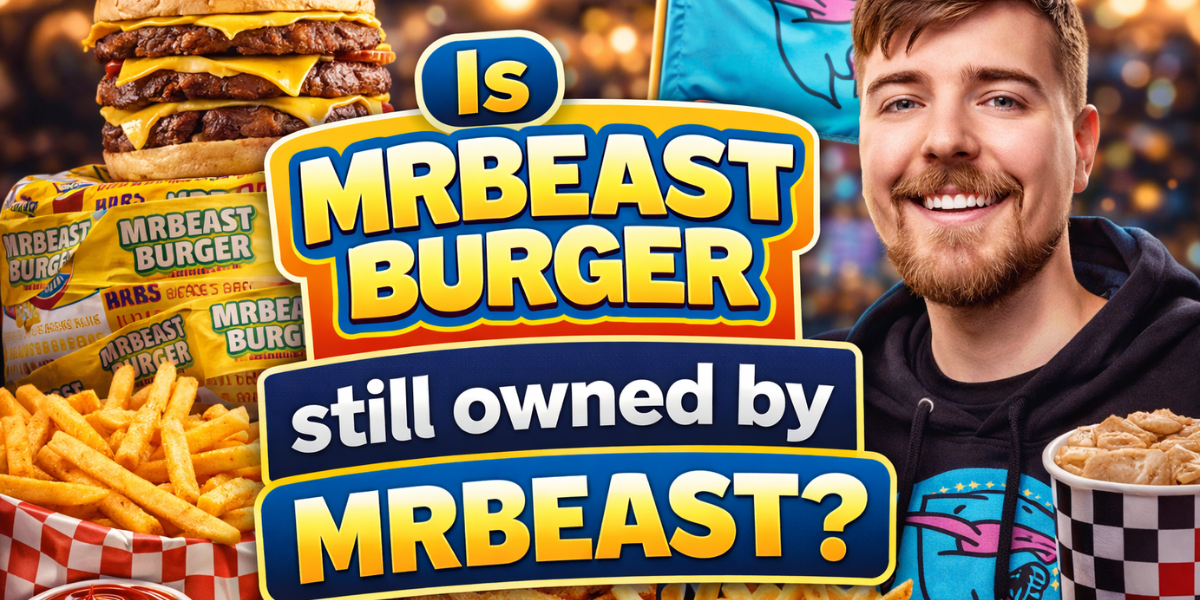
MrBeast Burger officially launched in December 2020 during the pandemic era, when delivery-only restaurant models were booming.
Instead of opening traditional dine-in restaurants, the brand operated as a ghost kitchen concept. This meant:
-
Food was prepared inside existing restaurant kitchens
-
Orders were placed through delivery apps
-
No standalone storefronts were required
This approach allowed the brand to scale rapidly across hundreds of locations in a short time.
The operational partner behind the project was Virtual Dining Concepts (VDC), a company specializing in celebrity-backed virtual restaurant brands.
At launch, the partnership seemed like a perfect match:
-
MrBeast provided brand power and audience reach.
-
Virtual Dining Concepts handled logistics, restaurant partnerships, and delivery infrastructure.
Sales were massive on day one. The brand reportedly generated millions in revenue almost immediately.
From the outside, it looked like MrBeast fully owned a nationwide burger empire.
But the internal structure told a different story.
Understanding the Business Structure
Here’s where the key distinction lies.
MrBeast did not build MrBeast Burger as a traditional restaurant chain that he personally owned and operated. Instead, the brand was created under a licensing and partnership agreement.
In simple terms:
-
MrBeast licensed his name, likeness, and branding.
-
Virtual Dining Concepts managed operations.
-
Third-party kitchens prepared the food.
-
Delivery platforms distributed the orders.
This meant MrBeast was the face and founder of the brand—but not the sole operational controller.
Ownership in influencer-driven brands often works this way. The creator supplies brand equity; the partner company supplies infrastructure.
Initially, the rapid growth made this model look extremely successful.
But fast expansion created new challenges.
Quality Control Issues and Brand Reputation
As MrBeast Burger scaled to hundreds of ghost kitchens nationwide, customer complaints began increasing.
The core issue? Inconsistent quality.
Because food was being prepared in many different third-party kitchens:
-
Some customers received fresh, well-prepared meals.
-
Others reported undercooked burgers.
-
Missing items became common.
-
Presentation varied significantly.
For most restaurant brands, poor quality affects the business.
For MrBeast, it affected something even bigger—his personal reputation.
His online persona is built on high production value, attention to detail, and premium execution. When customers had bad experiences, they blamed MrBeast directly—not the local kitchen partner.
Over time, he publicly expressed frustration about quality control and how the brand was being managed.
That tension eventually escalated.
The Legal Dispute Between MrBeast and Virtual Dining Concepts
In 2023, the situation turned into a formal legal conflict.
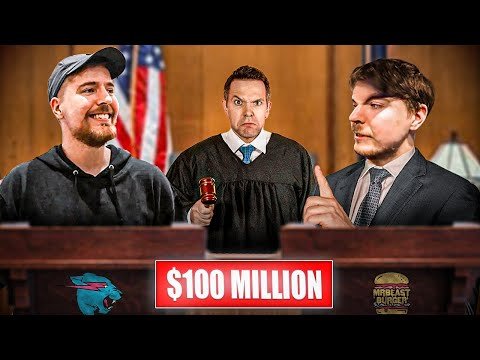
MrBeast filed a lawsuit seeking to terminate his agreement with Virtual Dining Concepts and shut down the brand. He alleged that quality issues were harming his image and that operational standards were not being upheld.
Virtual Dining Concepts responded with its own legal claims, asserting contractual rights.
This legal battle revealed something important:
If MrBeast had fully owned MrBeast Burger outright, he could have simply closed it.
The fact that litigation was required showed that the business operated under contractual obligations that limited unilateral control.
In other words, he was deeply involved—but not the sole decision-maker.
So, Is MrBeast Burger Owned by MrBeast?
Here is the clear answer:
MrBeast founded and branded MrBeast Burger, but he does not solely own and control its operations.
The business operates through agreements with Virtual Dining Concepts, which manages much of the operational side under contract.
While MrBeast likely had financial interest in the brand, he did not have full executive control over daily operations or quality enforcement across all locations.
As of recent years, he has publicly distanced himself from actively promoting the brand.
Why Does MrBeast Burger Still Exist?
Many fans wonder:
If MrBeast wanted out, why is the brand still active?
The answer lies in business contracts.
Partnership agreements often include:
-
Multi-year licensing terms
-
Revenue-sharing clauses
-
Termination conditions
-
Legal protections for both parties
If Virtual Dining Concepts secured long-term operational rights, they may legally continue operating until a contract expires or a court ruling determines otherwise.
This situation highlights a major lesson in influencer entrepreneurship: branding power does not always equal operational authority.
What Is MrBeast Focused on Now?
After distancing himself from MrBeast Burger, MrBeast shifted attention toward other ventures—most notably Feastables.
Feastables is a packaged snack and chocolate brand that operates under a more traditional consumer goods model.
The key difference:
-
Packaged products allow tighter manufacturing control.
-
Quality can be standardized.
-
Distribution channels are more predictable.
-
Brand consistency is easier to maintain.
Compared to a decentralized ghost kitchen system, this structure gives far greater oversight.
From a strategic perspective, Feastables represents a more controlled, scalable, and reputation-safe food business model.
The Bigger Trend: Influencer-Led Brands
MrBeast Burger is part of a larger wave of creator-backed businesses.
Influencers often:
-
License their names
-
Partner with established operators
-
Scale rapidly through existing infrastructure
This allows explosive growth.
But it can also create risk when:
-
Quality control breaks down
-
Operational standards vary
-
Brand image suffers
The MrBeast Burger case has become one of the most cited examples of the challenges that come with celebrity licensing deals in the digital era.
It demonstrates that while creators can drive demand, long-term sustainability depends heavily on operational execution.
Is MrBeast Burger Still Successful?
Despite controversy, MrBeast Burger continues to appear on major delivery platforms in various regions.
However:
-
It no longer receives heavy promotion from MrBeast.
-
Public enthusiasm has decreased compared to the 2020 launch hype.
-
The brand’s future depends largely on legal outcomes and operational improvements.
Without direct marketing from its founder, growth momentum has slowed.
Final Verdict: Does MrBeast Still Own MrBeast Burger?
Here’s the final summary:
-
MrBeast created and branded the concept.
-
The business operates under partnership agreements.
-
Virtual Dining Concepts manages much of the operational side.
-
MrBeast does not have full unilateral control.
-
He has publicly distanced himself from the brand.
So while his name remains attached to it, MrBeast Burger is not owned and operated solely by MrBeast in the traditional sense.